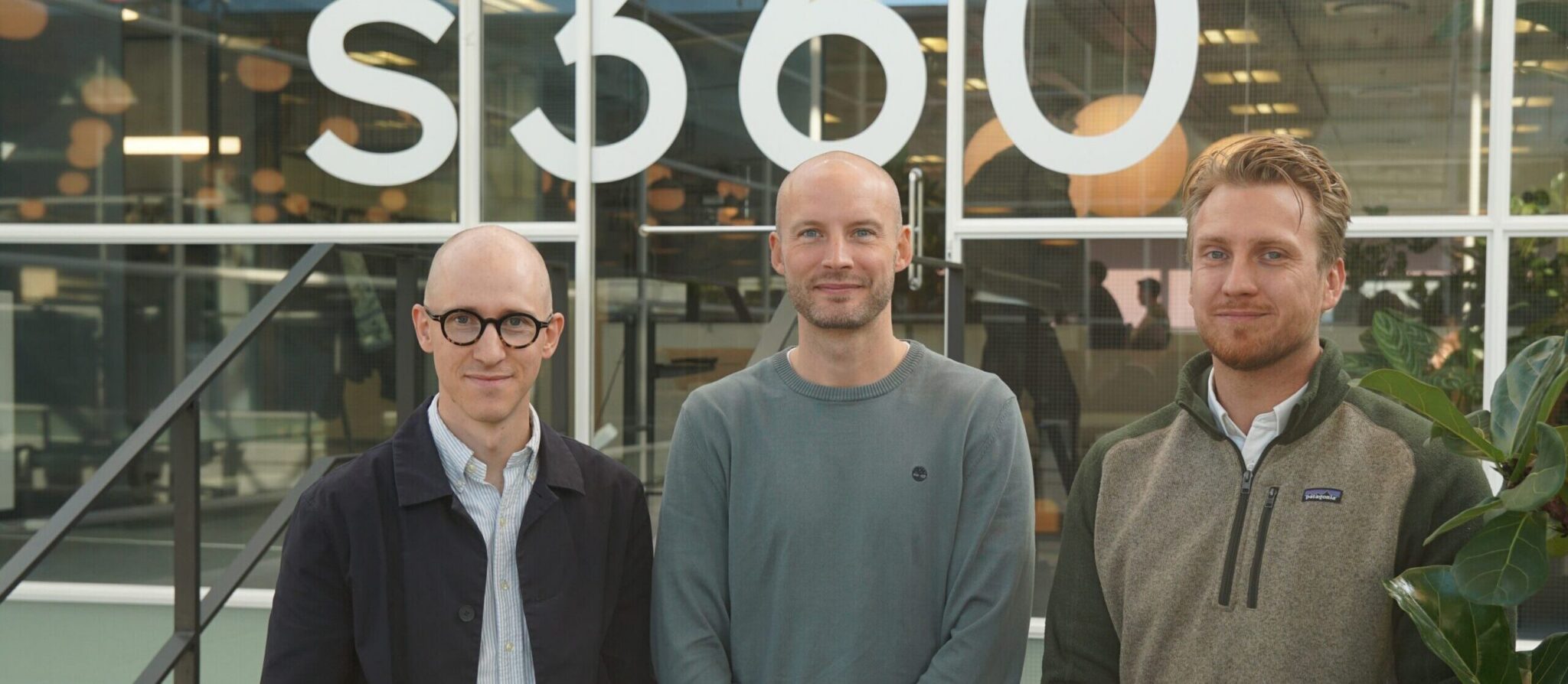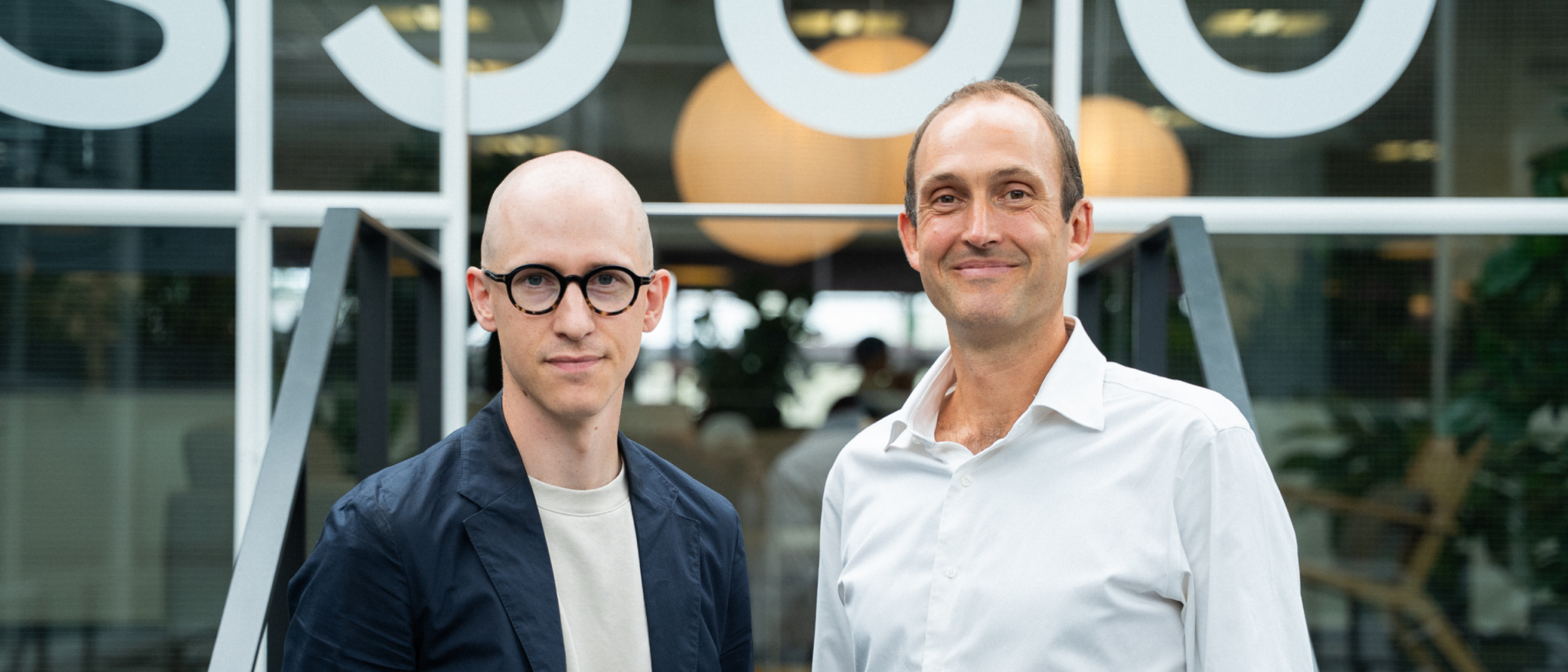
Author: Frederik Hyldig Garoussian, CPO
ChatGPT Ads went live in 31 European markets on 24 August, adding the Nordics, the Netherlands, and the rest of the EEA to a UK market that already had ads. Self-service access followed a week later.
A lot of first tests are running right now, and soon plenty of people will be willing to tell you what the channel is worth. Almost none of those verdicts will matter because almost everyone is reaching for the wrong measuring stick. That makes for a duller headline than most of what you will read, but it is closer to the truth.
The European rollout was communicated in a way that caused some confusion.
At the European launch, buying ChatGPT Ads meant going through OpenAI’s own Ads Solutions team, a short list of named agency partners, or technology partners. Self-service was promised for “later this summer” with no date. It arrived on 31 August, a week later. A fair number of advertisers and agencies still assume access runs through that original handful of partners, and it doesn’t. Any advertiser can open an account, with no minimum budget.
When ChatGPT started citing sources and sending the occasional click, the knee-jerk reaction was to open Google Analytics, look at referral traffic from chatgpt.com, find it below 1% of total traffic, and conclude that LLM visibility was worth nothing.
The traffic number was right. The conclusion wasn’t, because hardly anyone clicks a link in an LLM answer. They read it, then Google the brand or type the URL, and GA4 credits organic or direct as the traffic source. Google added an “AI Assistant” channel in GA4 in May 2026, which makes that traffic easier to find but changes nothing about the attribution. The click was never where the value landed, so counting clicks produced a confident answer to a question nobody had asked.
You can make the same mistaken conclusion in paid form if you mistake what kind of placement this is.
A search ad works because someone typed an intent and an advertiser bid on it. It is almost navigational. Clicks, CPC and conversions are the right instruments for that. A YouTube pre-roll is judged differently. Nobody sensible evaluates a video ad on CPC, because everyone accepts that most of what it does happens without a click.
Some of the price is due to short-term scarcity, which will likely change. SE Ranking found ads on 25.94% of commercial prompts in the US, so roughly three quarters of commercial conversations carried no ad at all. Thin inventory raises prices on its own and says little about pricing once coverage doubles.
Per OpenAI’s own help centre, “personalized ads are not initially available in the European Economic Area (EEA) or Switzerland.” In those markets, an ad is selected from what the user is discussing in the current chat thread, plus basic context such as general location or language. Past chats and memory are explicitly excluded, and the notification OpenAI sent European users on 15 August put it plainly: to begin with, ads will not be personalised beyond the current chat.
When personalisation is switched on, the signals are different. OpenAI lists past chats and memory, and how the user interacts with ads, alongside the current thread. That is the version people have been describing, in which a request for weekend plans can return an ad for the office chair someone was comparing last week.
Which means most of the numbers circulating now measure a system European advertisers cannot buy. The widely quoted SE Ranking study, which tested 50,006 commercial prompts across 20 US niches on 23 July and found 14.35% of ads no more topically related to their own prompt than to a random one, was measuring the personalised American product. Useful reading, but results may differ.
Banner blindness on ChatGPT is close to zero today, and it won’t stay that way. Right now everyone is eager to spot their own ads in the wild for the first time. OpenAI describes personalisation as not initially available in Europe rather than unavailable. The product may change shape.
The bottom line is that, as with many other things related to AI, it can be hard to foresee how things will change when they move so fast. Concluding too early is a mistake.
None of this argues for sitting it out, or for spending more. The useful position is not a view on whether ChatGPT Ads works. Most of the verdicts landing in the next weeks and months will describe their author’s measurement setup and mindset rather than the channel.
Instead, it argues for designing a test to teach you something, even if it won’t be a final verdict.
New channels are often given a month or two to prove themselves. With ChatGPT Ads, run it as a test and give it longer than that before deciding anything. Getting in early buys you the ability to read the numbers properly when they start to mean something. And if the channel does turn out to be worth using, you will already know the mechanics rather than starting from scratch.
Read more news
Search audience can be considered as split into two webs: one navigated by humans, and the other by agents. Both demand data they can trust. This session explores what data integrity means in modern Search – from entity relationships and schema to emerging standards like ACP, UCP and more – and why the structural quality of your data now determines visibility across both. Whether you’re optimising for a person or an agent making decisions on their behalf, this session will explore what to consider for both.
About Alex:
Alex is an expert-level SEO consultant, WordPress developer, and marketing strategist with over 20 years of experience helping brands grow their online presence, conversion, and customer loyalty. He specialises in technical and structural SEO, product development, and strategy, and has worked with thousands of websites across sectors.
He is Principal SEO at Yoast, the world’s leading SEO plugin for WordPress with over 13.5 million installs, where he focuses on product innovation and brand authority. He is a co-presenter of The SEO Update by Yoast video podcast, as well as being a guest on numerous other industry podcasts. Alex also co-founded the organic marketing and WordPress development agency FireCask, and is a long-standing conference speaker and trainer on topics including technical SEO, AI Search, and WordPress SEO.

In my session, I’ll share Google’s vision for a fundamental shift in digital behavior: where search evolves from retrieving information to executing intent. We’ll explore how the transition from “searching” to “delegating” is reshaping Search advertising.
About Anders:
As the Search and Performance Lead for Google Northern Europe, Anders is responsible for helping the region’s largest advertisers bridge the gap between core business objectives and Google’s advanced performance suite. He leads cross-functional initiatives focused on maximizing ROI through AI-driven solutions and deep consumer insights.
As a regional lead for Agentic Commerce and the Future of Search, Anders works closely with Google’s global product teams to ensure Northern European retailers are well positioned and prepared for the next era of Search advertising.
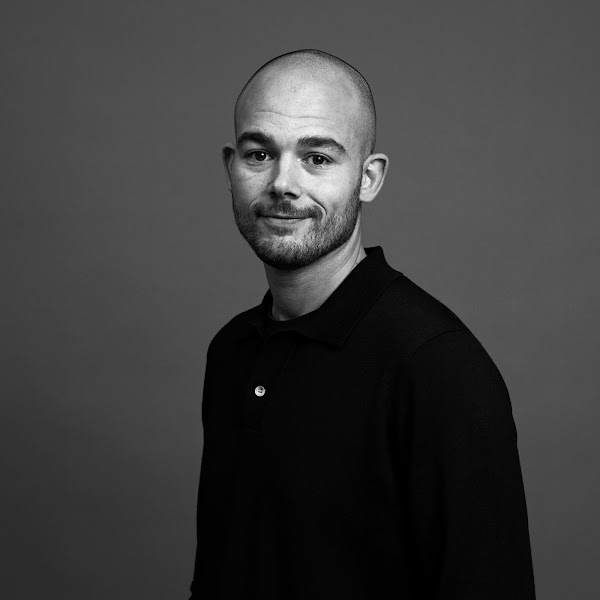
Marketing in 2026 demands more than speed. It demands autonomy. This session breaks down how to architect agent-powered workflows that automate research, content creation, and optimization end-to-end.
You’ll learn when to reach for static prompts vs. dynamic agents vs. full AI workflows, and see real examples of small teams scaling output with simple tools like Apps Script + Claude Code, replacing entire workflows, not just individual tasks.
The talk will also challenge the “AI hallucination” narrative head-on, showing why a well-designed AI system is measurably more accurate than manual human processes.
About Tom:
Engineer by craft, marketer by obsession. Tom founded SEOwind to build AI systems that scale content. Today, SEOwind produces 2,300+ articles monthly for 500+ clients, primarily through agency partnerships. He speaks at SEO and marketing conferences on AI-driven SEO and growth.
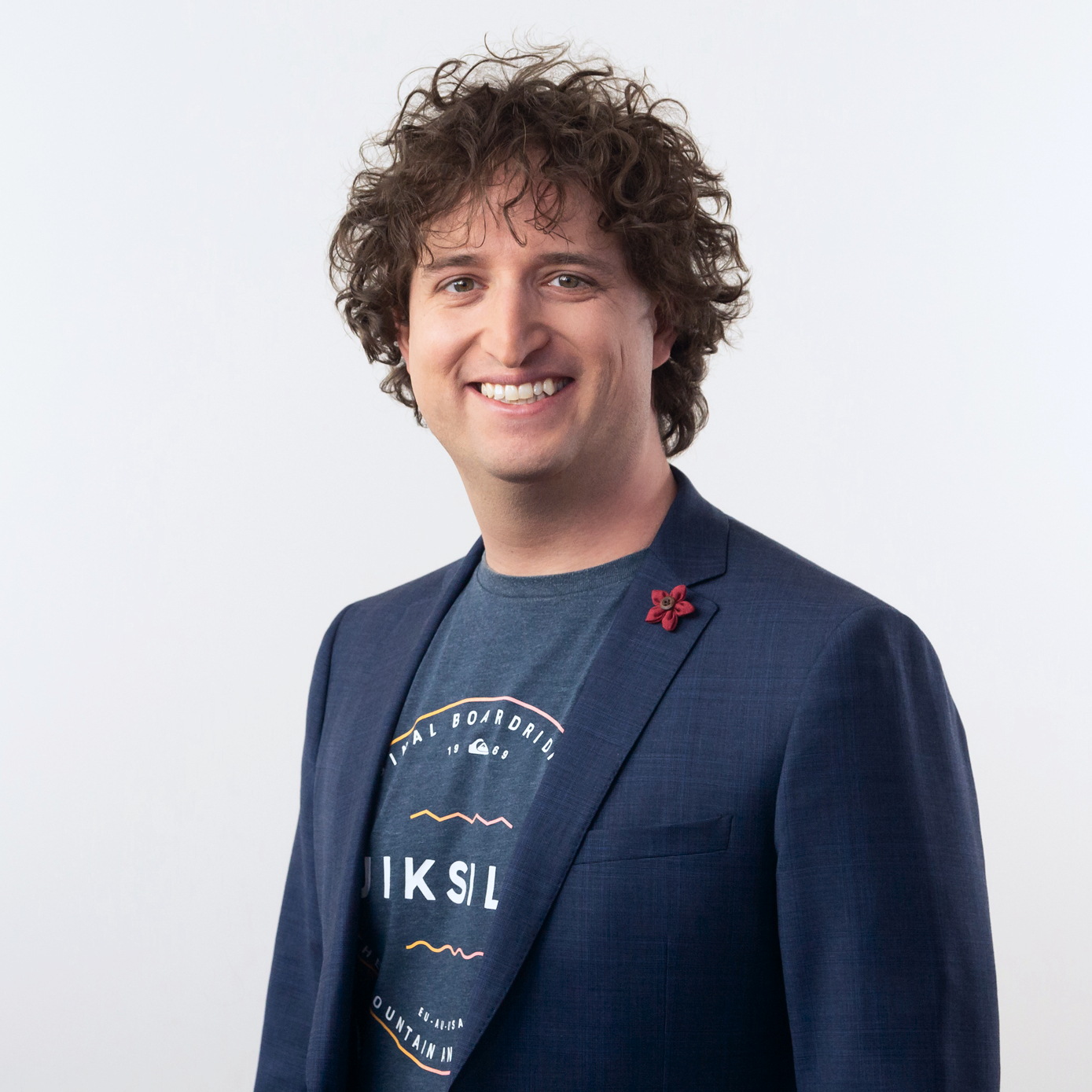
Search is no longer a single ecosystem. SERPs and LLMs often surface and cite completely different sources, which means the links that influence rankings aren’t always the same signals that influence AI visibility.
Based on large-scale research and real client data, this session explores why different systems reward different signals and shows how to design link strategies that perform across them.
About Tamara:
Tamara Novitović is Head of SEO at Bazoom, where she builds and tests modern authority strategies across competitive niches and international markets.
She focuses on redefining link value, user-first placements, and hybrid tactics built for both SERP visibility and AI citations.
She is also a regular speaker at international conferences and contributes to industry conversations on search, content, AI, and link strategy.
Search is undergoing a massive transformation. With Google AI Mode and UCP live in the US we are now entering a new phase in both paid and organic search.
Mathias will give you an overview of what we know will happen as well as a checklist of things you can work on that will benefit you both short and long term. Gain a grounded perspective on the structural changes hitting the industry and how to prepare for 2027 and beyond.
About Mathias:
Mathias Hillerup is the co-founder of s360, having started the agency in 2011. Over the last decade, he has helped scale the company into a leading digital consultancy by bridging the gap between marketing, technology, and data.
He works at the intersection of technical infrastructure and commercial growth, helping international brands adapt to a rapidly maturing digital landscape.
Mathias is known for a pragmatic, business-first approach to technology, focusing on the structural shifts that actually drive long-term performance.
Paid Search has evolved through several major shifts: Google Shopping, Smart Bidding, and the disruption of the pandemic years. Today, a new phase is emerging driven by AI.
As AI takes over more of the decision-making, the old playbook of granular account structures and manual control is becoming less relevant. Success increasingly comes from simplifying setups and feeding the systems with the right data.
In this session, Frederik Hyldig explores how the fundamentals of Paid Search are changing and what that means in practice. He will outline how advertisers should rethink account structure, how to work with automation instead of against it, and why data and feeds are becoming central to staying competitive.
About Frederik:
Frederik Hyldig has over a decade of experience in Paid Search and has advised some of Europe’s largest brands on media strategy and technology.
His focus has always been on the practical application of technology in search. Today, he helps brands move past manual management to build structures that actually work in an automated environment.
Frederik is a frequent speaker and is known for his straightforward approach to SEM and digital strategy.

To stay visible in LLMs, you must master Generative Engine Optimization (GEO). This keynote is a practitioner’s guide to becoming the primary source for AI-driven answers like Gemini and Perplexity.
Moving past theory, I will share concrete technical and content-led tactics to improve LLM visibility and transform your brand into a definitive authority for AI.
Leave with a 2026 checklist to turn AI search shakeup into a measurable, competitive advantage.
About Nikolaj:
Nikolaj Mogensen is the VP and Group Lead of SEO at s360. Over the last 15 years, he has worked hands-on with some of the largest websites in the Nordics, helping them navigate the constant shifts in search. His current work centers on AI and GEO, finding real-world ways to maintain organic visibility as search evolves.
A regular speaker at events like brightonSEO and SMX, Nikolaj focuses on turning technical complexity into practical steps that work for businesses.
SEO is shifting from optimizing pages to building search-driven products. In this talk, Björn Darko shares how large marketplaces turn SEO insights into scalable product features. He’ll also explore how AI search, LLMs and changing user behavior are forcing SEO teams to rethink how they measure visibility, traffic and growth & how to inform your board about it.
About Björn:
Björn Darko is Group Head of SEO & AI Search at Swiss Marketplace Group, overseeing organic growth across Switzerland’s leading marketplaces in real estate, automotive, finance and classifieds. With more than a decade in SEO and product leadership at companies like AVIV Group, Searchmetrics, Ringier etc., he focuses on bridging the gap between SEO, data and product development. Björn also hosts the SEOPRESSO podcast and regularly speaks about Product-Led SEO and the future of search.
A common pattern shows up account after account: over-segmentation, premature automation, and budgets spread too thin to generate meaningful learning. Small budgets rarely fail because of poor tactics. They fail because strategies designed for higher spend environments are applied without adjustment, and what works at scale, collapses when resources are limited. In this session, Ramial covers the mindset shifts and structural principles required to make PPC sustainable in constrained environments.
About Ramial:
Ramial Aqeel is a PPC freelancer who works primarily with SMEs, running paid media on lean budgets. He focuses on clear, practical approaches that help advertisers make limited spend work harder. His work centres on simplifying PPC and supporting smaller businesses in getting the most from every pound they invest.

Oliver will run through the latest AI-enabled features of Screaming Frog’s SEO Spider, as well as some lesser-known classic features that you might have missed along the way. This talk is for anyone looking to take their day-to-day SEO to the next level, though there’s lots to be gained if you’re not too familiar with auditing websites too. No frogs were harmed during its production.
About Oliver:
Oliver has a decade of experience at Screaming Frog, having conquered SEO consultancy and management, he now oversees the agency’s wider strategy. He’s spoken at SEO conferences in 6 countries, so he unironically considers himself an international SEO rockstar now.

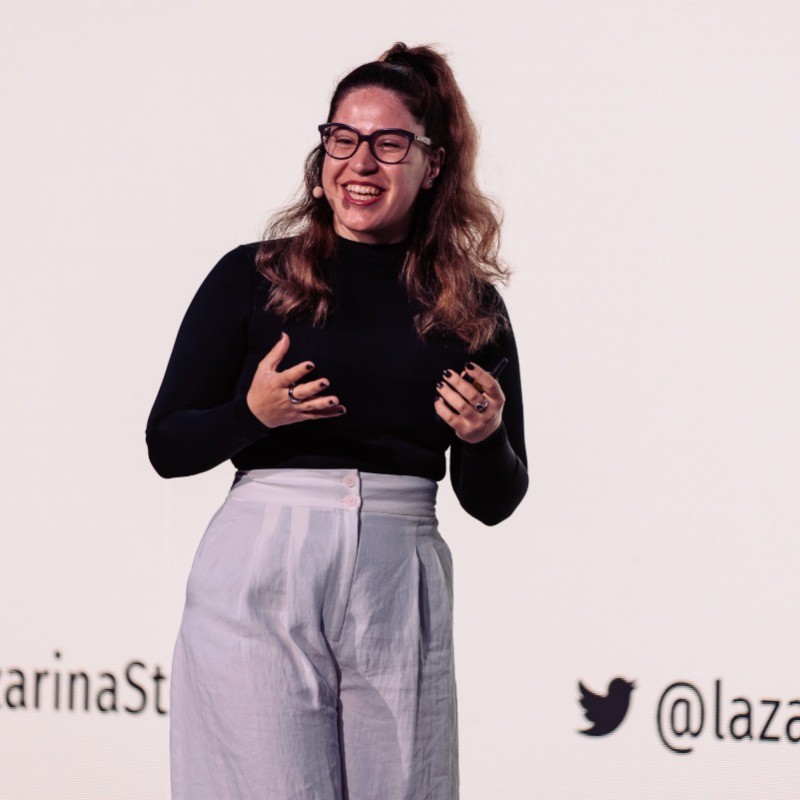
In this session, we’ll walk through the mechanisms of AI search systems discussion things like personalisation, query expansion, memory, and response generation. We’ll go over how this is different than traditional search, and what carries over. Attendees will leave with a framework for winning in both traditional and AI search, without compromising visibility in any domain, but instead strengthening the content message in an omnichannel world.
About Lazarina:
Lazarina Stoy is a marketing consultant and the founder of MLforSEO, a learning platform, academy, and community for marketers and organic search professionals. She designs hands-on training for in-house and agency teams, and the forward-thinking individuals within them, integrate AI and ML solutions into their workflows to drive productivity and organic growth – regardless of the platform their audience is searching on. A strong advocate for responsible automation, Lazarina speaks at conferences and webinars and creates practical resources for marketers starting their AI/ML journey.